Unlocking the Emotional Power of Aromatherapy: How Essential Oils Support Mental Health
Aromatherapy isn’t just about pleasant scents—it’s a science-backed approach that can have real effects on emotional well-being. By directly connecting the olfactory system to the brain’s emotional centers, essential oils can help support mood, reduce stress, and bring balance during challenging times.
How Scent Impacts Your Brain and Emotions
When you inhale an essential oil, molecules travel through your nose to the olfactory bulb, the brain region responsible for processing smell. From there, the signal is sent directly to the limbic system, including the amygdala and hippocampus, key areas involved in emotion, memory, and stress regulation.
The amygdala, often called the brain’s emotional center, processes fear, anxiety, and stress. Because the olfactory system connects directly to this region, scents can immediately influence emotional responses, triggering feelings of calm, pleasure, or alertness. This explains why aromatherapy works at a deeper level than conscious thought, gently modulating emotions and enhancing mental well-being. Research from Rachel S. Herz, a leading olfactory psychology expert, shows that odors linked to positive experiences can improve mood instantly, while calming scents such as lavender and chamomile help reduce anxiety and perceived stress (Herz, 2009; Herz, 2025).
Evidence-Based Essential Oils for Stress and Anxiety
Scientific studies confirm that aromatherapy can support the nervous system and emotional health:
- Lavender essential oil: Helps reduce both immediate and ongoing feelings of anxiety, promoting relaxation and calm (Gong et al., 2020).
- Citrus oils (bergamot, sweet orange): Shown to ease stress and enhance mood, especially in high-pressure or work environments (PMC, 2023).
- Chamomile and rose oils: Encourage relaxation and support emotional regulation during tense moments (Ebrahimi et al., 2022).
At a neurological level, essential oils influence the limbic system, including the amygdala, making aromatherapy an effective, natural tool to restore balance, ease stress, and cultivate emotional well-being.
Practical Ways to Use Aromatherapy for Daily Calm
You don’t need complicated routines to experience the benefits of essential oils for mental wellbeing. Here are some simple, practical strategies:
1. Diffuse for Daily Calm
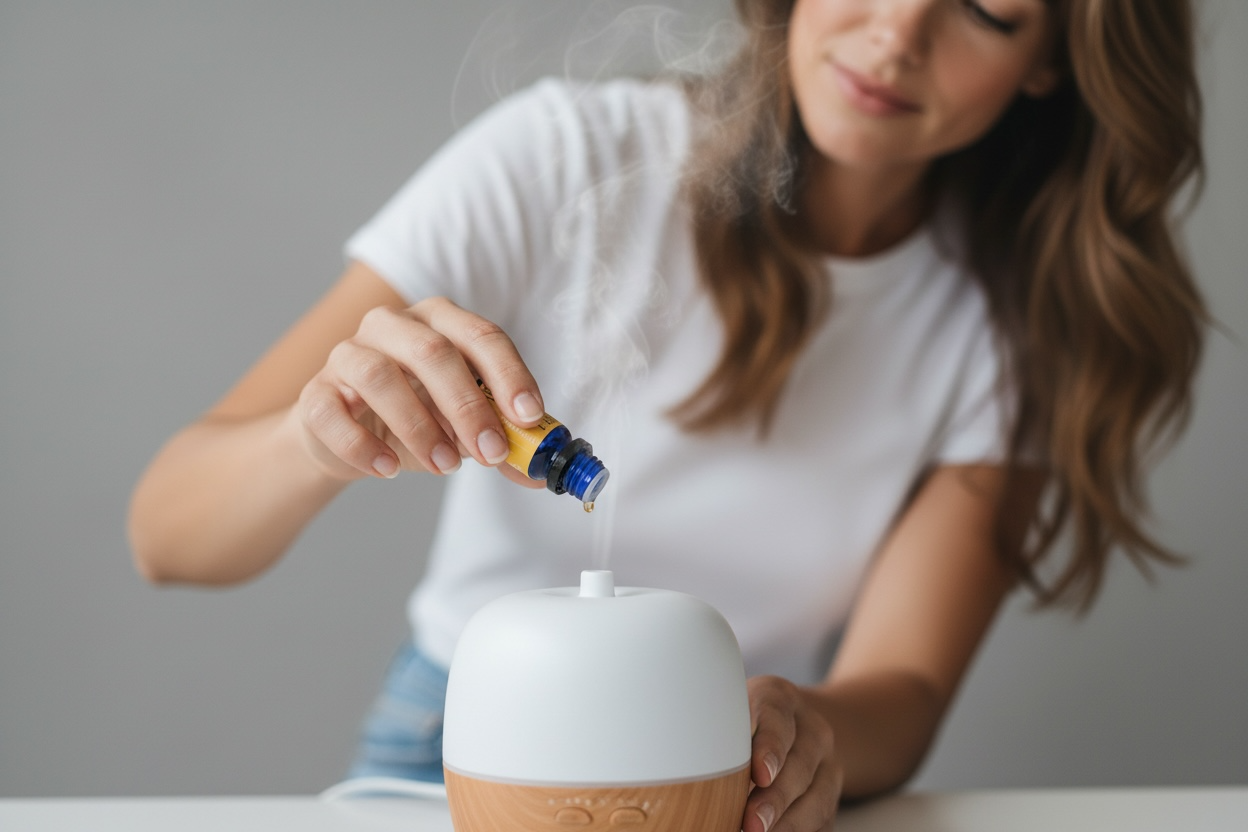
Use a diffuser in your bedroom, workspace, or living area to gently fill the air with soothing aromas:
- Lavender: Promotes relaxation and reduces stress
- Bergamot: Uplifts mood and lowers anxiety
- Chamomile: Supports peace and calm
Want some help? Try Lavender Lift or Restful Blend to bring calm into your day effortlessly.
2. Inhalation on the Go
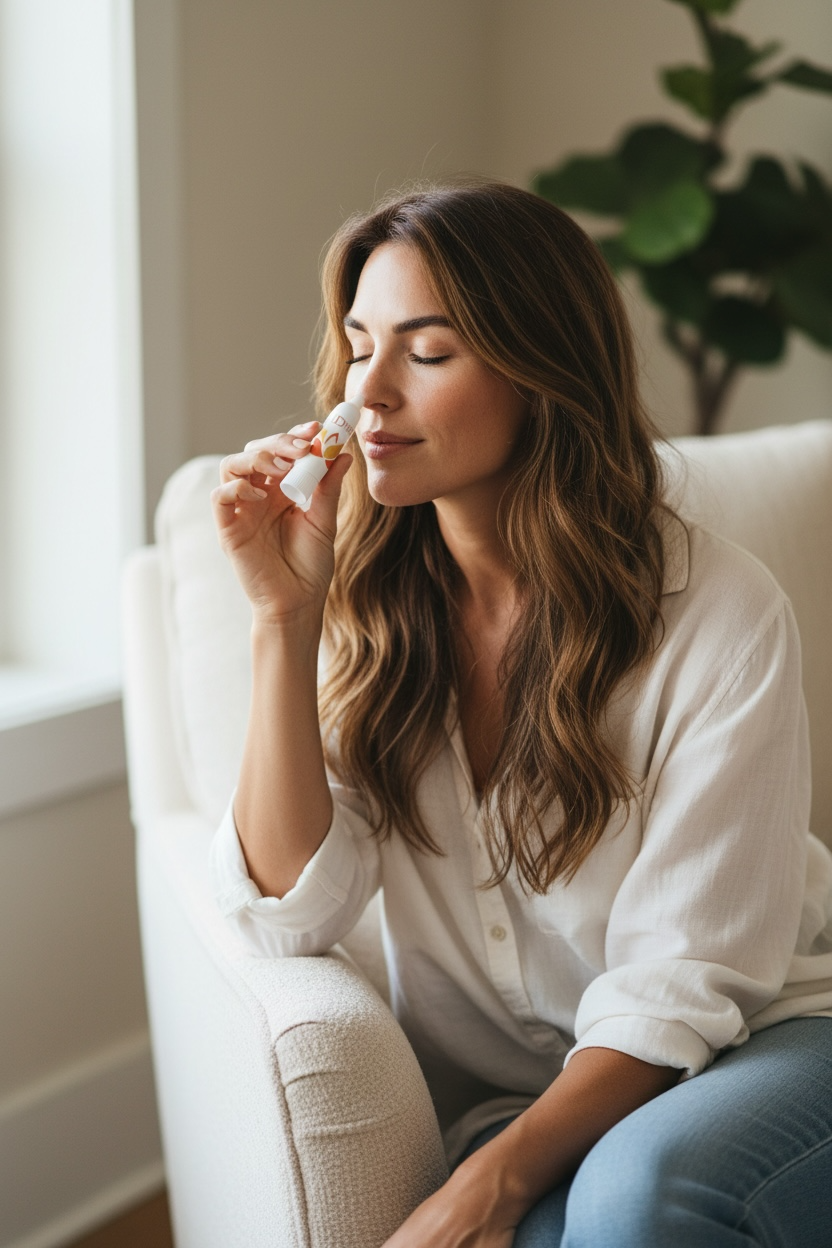
A portable inhaler or a quick sniff from a bottle of essential oil can instantly calm the nervous system. Combining deep breathing with scent enhances mood-regulating effects.
Discover our aromatherapy inhalers here: Shop B. Divine Aromatherapy | B. Divine Aromatherapy
3. Aromatherapy Roll-Ons
Apply diluted essential oils to pulse points—like wrists, temples, or behind the ears—for continuous, subtle support throughout the day.
Explore our essential oil roll-on blends here
4. Integrate into Self-Care Routines
- Add a few drops to a warm bath
- Combine oils with a gentle massage for relaxation
- Pair with meditation or mindfulness for emotional balance
5. Create a Personal “Calm Kit”
Keep a small collection of favorite essential oils for moments of stress, anxiety, or mood fluctuations. Simple inhalation or application can support emotional regulation whenever needed.
Breathing Techniques to Boost Mental Health
Pairing aromatherapy with mindful breathing can enhance the effects of essential oils:
Box Breathing (Four-Square Breathing):
- Inhale, hold, exhale, hold—4 counts each
- Helps regulate the nervous system and reduce anxiety
- Diffuse lavender during practice for amplified relaxation, or Bergamot for mood support.
Diaphragmatic (Belly) Breathing:
- Breathe deeply into the diaphragm, expanding the belly
- Activates the parasympathetic system to calm the body
Combine with chamomile or lavender to deepen the sense of calm.
Why Aromatherapy Works
Unlike other senses, smell is directly connected to the limbic system, giving essential oils a unique ability to influence emotional centers almost instantly. Whether your goal is to reduce stress, stabilize mood, or find daily balance, aromatherapy offers a scientifically supported, practical approach to mental health.
By understanding how the brain responds to scent—and using essential oils thoughtfully—you can harness aromatherapy as a powerful ally for emotional support and well-being.
References
- Herz, R. S. (2009). Aromatherapy facts and fictions: a scientific analysis of olfactory effects on mood, physiology, and behavior. International Journal of Neuroscience.
- Herz, R. S. (2025). Smell Is Emotion. Brain Sciences.
- Gong, Q. et al. (2020). Effects of aromatherapy on anxiety: A meta-analysis of randomized controlled trials. Journal of Affective Disorders.
Disclaimer:
The information provided in this blog is for educational and informational purposes only and is not intended as medical advice. While aromatherapy and essential oils may support emotional well-being, they are not a substitute for professional mental health care. If you are experiencing persistent stress, anxiety, depression, or any other mental health concerns, please consult a licensed healthcare provider or mental health professional for personalized guidance and treatment.