How Essential Oils Can Support Emotional Healing and Well-being

Finding Comfort in Scent: Using Essential Oils to Support Grief and Healing
Recently, I found myself in the midst of profound grief after losing a friend. Grief is a deeply personal journey, and while its impact is universal, no two experiences are ever quite the same. The loss can wreak havoc on every aspect of your life, stirring emotions that range from immense sadness and anger to feelings of complete disconnection from the world.
Physically, grief often makes itself known through tension, fatigue, headaches, digestive issues, or even a weakened immune system. Emotionally, the waves can be overwhelming—sadness, anxiety, shock, numbness, and sometimes even guilt all intertwine. Especially during the holidays, when joy and celebration surround us, the absence of loved ones can be felt more acutely, turning what should be a festive time into one filled with longing and heartache. The mind and body are intimately connected, and tending to both is essential for true, holistic healing.
In the depths of my own grief, I turned to aromatherapy as a gentle lifeline. Essential oils have been used for centuries to help balance emotions, calm the nervous system, and nurture the spirit. During times of loss or trauma, these carefully chosen scents have brought me moments of comfort, grounding, and emotional relief—reminding me that even in sorrow, small acts of self-care can offer light along the way.
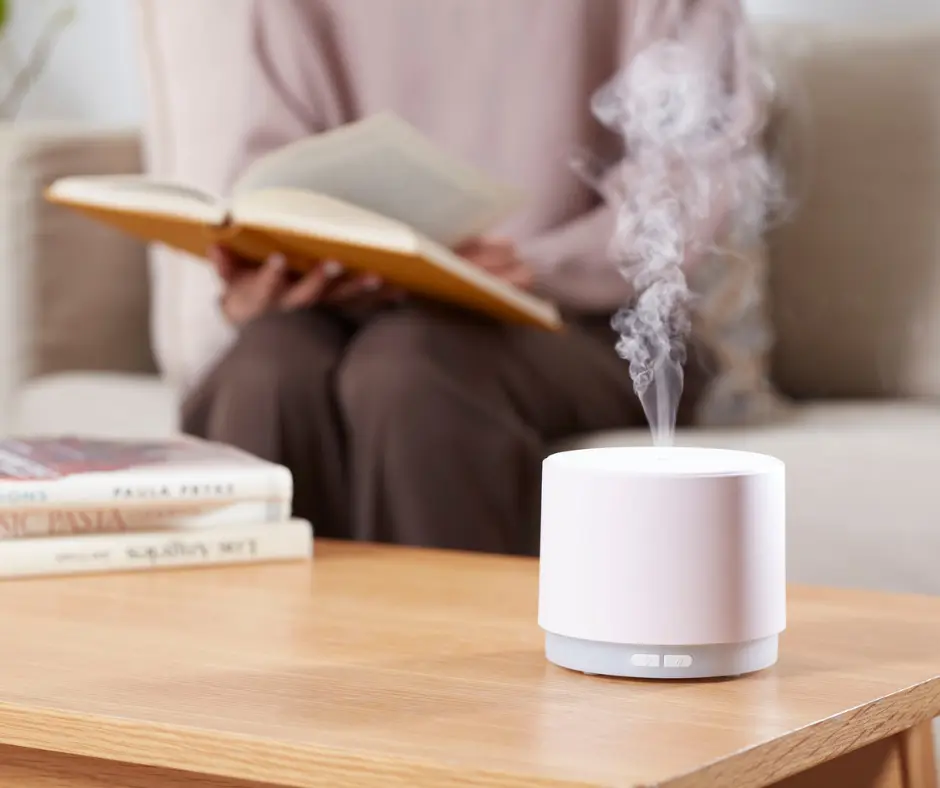
How Aromatherapy Supports Grief and Trauma
- Calming the Nervous System
Grief and shock can trigger the body’s stress response, leading to rapid heartbeat, shallow breathing, and tension. Essential oils such as lavender, coriander, and vetiver can help activate the parasympathetic nervous system, promoting relaxation and slowing the physiological effects of stress. - Balancing During Emotional Turmoil
When grief feels overwhelming, balancing scents like cedarwood, rose, and sandalwood can help anchor your emotions. These aromas create a sense of stability and safety, supporting you as you navigate intense feelings. - Encouraging Emotional Release
Certain essential oils, including bergamot, geranium, and orange, have uplifting and mood-regulating properties. In PubMed studies, these oils are considered anxiolytic—meaning they have been shown to reduce anxiety. These bright, happy scents can gently support you in experiencing and holding your sorrow, offering comfort as you move through grief. - Supporting Rest and Sleep
Sleep disturbances are common during times of mourning. Certain essential oils have a sedative effect, meaning they help calm the nervous system. Using oils like lavender, Roman chamomile, or clary sage can create a soothing bedtime ritual, gently easing your body and mind into restful sleep.

Practical Ways to Use Aromatherapy During Grief
- Diffusing: One of the quickest ways to experience aromatherapy is diffusing. According to Sattayakhom et al., diffusing can have an immediate impact on your autonomic nervous system. If you are looking for a quick fix to help you in moments of grief, panic, or shock, this is my recommendation.
- Topical Application: Touch can be a powerful method of healing. Applying essential oils to the skin offers dual benefits: inhaling the aroma and absorption through the skin. (Always remember to dilute essential oils in a carrier oil.) Blending oils like frankincense, rose, or chamomile and applying them to pulse points, or in a massage, creates a personal, tactile connection to the soothing and restorative properties of scent.
- Bath Rituals: One of my personal favorites, especially during the colder months, is a soothing nighttime bath. Adding a few drops of calming essential oils (with a solubilizer) to warm water combines the power of warmth, water, and scent to help me unwind at the end of the day and nurture emotional comfort.
- Mindful Breathing: This is a practice I’ve been training in for over a year, and it’s truly powerful—difficult to fully convey just how impactful it can be for your wellbeing. Deep, mindful breathing activates the parasympathetic nervous system, helping to lower heart rate, reduce cortisol (your stress hormone), and enhance alertness. Incorporating essential oils can amplify these benefits: inhale calming scents like vetiver or sandalwood during meditation or quiet moments to support mindfulness and emotional processing.
Aromatherapy as a Gentle Companion
While grief and trauma are complex and deeply personal, aromatherapy offers a compassionate, non-invasive tool to nurture your body, mind, and spirit. It doesn’t erase sorrow, but it provides small moments of relief, grounding, and comfort when they are most needed. By incorporating essential oils into your daily rituals, you create space to honor your emotions and support your healing journey.
At B Divine Aromatherapy, we believe in the power of nature to nurture wellness, even during life’s most difficult moments. Explore our thoughtfully crafted blends designed to support emotional balance, calm, and resilience here: Shop B. Divine Aromatherapy | B. Divine Aromatherapy
Common Physical Symptoms of Grief:
- Fatigue and low energy – Feeling physically drained or exhausted, even after rest.
- Sleep disturbances – Difficulty falling asleep, staying asleep, or oversleeping.
- Changes in appetite – Loss of appetite or overeating; sometimes sudden weight changes.
- Headaches or migraines – Tension or stress-related headaches are common.
- Muscle tension or body aches – Neck, shoulder, or back tension; generalized body aches.
- Digestive issues – Nausea, upset stomach, diarrhea, or constipation.
- Heart palpitations or chest tightness – Feeling your heart race or heaviness in the chest.
- Weakened immune system – Increased susceptibility to colds or infections.
- Shortness of breath or shallow breathing – Often connected to anxiety or panic responses.
- Trembling or dizziness – Especially during moments of intense emotional release.
- Tearfulness or crying spells – Physical strain on the body from prolonged crying.
- Loss of coordination or clumsiness – Rare, but stress and fatigue can contribute.
Grief affects everyone differently, and these physical symptoms often appear alongside emotional experiences like sadness, anxiety, guilt, or numbness.

Let’s break down how aromatherapy can support each physical symptom of grief with specific essential oils and methods of use. This creates a practical, actionable guide for your B Divine Aromatherapy audience.
1. Fatigue and Low Energy
How aromatherapy helps: Essential oils can energize the mind and body while supporting focus.
- Oils to use: Peppermint, rosemary, grapefruit, lemon
- How to use: Diffuse in your workspace or inhale directly from the bottle for a natural energy boost. A few drops in a morning shower can also invigorate the senses.
Try it with B Divine Aromatherapy: https://www.bdivinearoma.com/product-category/energy
2. Sleep Disturbances
How aromatherapy helps: Calming scents promote relaxation and support the nervous system to encourage restorative sleep.
- Oils to use: Lavender, Roman chamomile, lemon balm, frankincense
- How to use: Diffuse in the bedroom before sleep, or add 2–3 drops to a warm bath. Apply a diluted blend to pulse points for a calming bedtime ritual.
Try it with B Divine Aromatherapy: Shop B. Divine Aromatherapy | B. Divine Aromatherapy
3. Changes in Appetite
How aromatherapy helps: Certain oils help balance mood and reduce stress, which can normalize appetite.
- Oils to use for Loss of appetite: Bay, fennel, cardamom, and sweet orange.
- How to use: Diffuse or use a personal nasal inhaler during mealtime (or just before). Add a drop to a neutral carrier oil for a soothing abdominal massage.
4. Headaches or Migraines
How aromatherapy helps: Oils with analgesic and calming properties can reduce tension and pain.
- Oils to use: Peppermint, lavender, eucalyptus, marjoram
- How to use: Apply a diluted blend to temples, back of neck, or forehead. Diffusing peppermint or lavender can also relieve stress-related headaches.
5. Muscle Tension or Body Aches
How aromatherapy helps: Anti-inflammatory and soothing oils ease muscle soreness and promote relaxation.
- Oils to use: Marjoram, eucalyptus, rosemary, black pepper
- How to use: Combine with a carrier oil for a gentle massage on tense areas. Adding oils to a warm bath can also relieve body aches.
Try it with B Divine Aromatherapy: Category: Pain Relief | B. Divine Aromatherapy
6. Digestive Issues
How aromatherapy helps: Some essential oils support digestion and reduce nausea or stomach discomfort.
- Oils to use: Peppermint, ginger, cardamom
- How to use: Inhale directly for nausea or diffuse (or use personal nasal inhaler) for a calming atmosphere. Apply a diluted blend to the abdomen in clockwise motions.
7. Heart Palpitations or Chest Tightness
How aromatherapy helps: Calming oils regulate the nervous system, reducing stress-related heart symptoms.
- Oils to use: Frankincense, lavender, bergamot, vetiver
- How to use: Diffuse in your space or inhale from a personal inhaler. Gentle chest rubs with a diluted blend can promote relaxation.
8. Weakened Immune System
How aromatherapy helps: Certain oils have antimicrobial and immune-supporting properties.
- Oils to use: Tea tree, eucalyptus, rosemary, lemon
- How to use: Diffuse to cleanse the air, or dilute and apply topically on the soles of feet to support immune function.
Try it with B Divine Aromatherapy: Defender Essential Oil Diffuser Blend | B. Divine Aromatherapy
9. Shortness of Breath or Shallow Breathing
How aromatherapy helps: Oils can support deep breathing and relaxation, easing anxiety-induced breathlessness.
- Oils to use: Bergamot, geranium, frankincense, lavender
- How to use: Diffuse or use a personal inhaler. Incorporate into deep breathing exercises to enhance calm and oxygen flow.
Try it with B Divine Aromatherapy: Harmony Essential Oil Roll-On | B. Divine Aromatherapy
10. Trembling or Dizziness
How aromatherapy helps: Grounding and calming oils provide emotional stability and reduce nervous system overactivity.
- Oils to use: Vetiver, cedarwood, sandalwood, lavender
- How to use: Diffuse or inhale directly during moments of dizziness. A few drops on the back of the neck or wrists can help you feel anchored.
11. Tearfulness or Crying Spells
How aromatherapy helps: Uplifting oils can help regulate mood and support emotional release without suppression.
- Oils to use: Rose, geranium, bergamot, frankincense
- How to use: Diffuse in your living space, add a few drops to a tissue to inhale gently, or create a soothing roll-on blend for pulse points.
12. Loss of Focus or Concentration
How aromatherapy helps: Rejuvenating oils can restore focus and mind-body connection.
- Oils to use: Rosemary, lemon, cardamom, basil
- How to use: Diffuse in your environment or inhale directly before engaging in tasks requiring balance or concentration.
References
PMCID: PMC10180368 PMID: 37175176
PMCID: PMC10180368 PMID: 37175176
https://doi.org/10.1016/j.jep.2024.118180

About Beth from B. Divine Aromatherapy
Beth, the founder of B. Divine Aromatherapy, is passionate about enhancing well-being through functional, science-backed essential oil wellness products. With a holistic approach, her mission is to help individuals harmonize their mind, body, and spirit, supporting a healthier, more balanced life.
Beth is a graduate of the University of Wisconsin-Madison and brings 25 years of experience as a scientist and researcher to her aromatherapy practice. She is a certified holistic aromatherapist, completing her Level II clinical training through the American College of Healthcare Sciences (ACHS), a program accredited by both the Alliance of International Aromatherapists (AIA) and the National Association for Holistic Aromatherapy (NAHA).
An active member of the aromatherapy community, Beth serves on the executive committee of ARQAT, continually contributing to advancements in the field. Her expertise and dedication ensure that every product at B. Divine Aromatherapy reflects a commitment to quality, care, and holistic wellness.
Post navigation